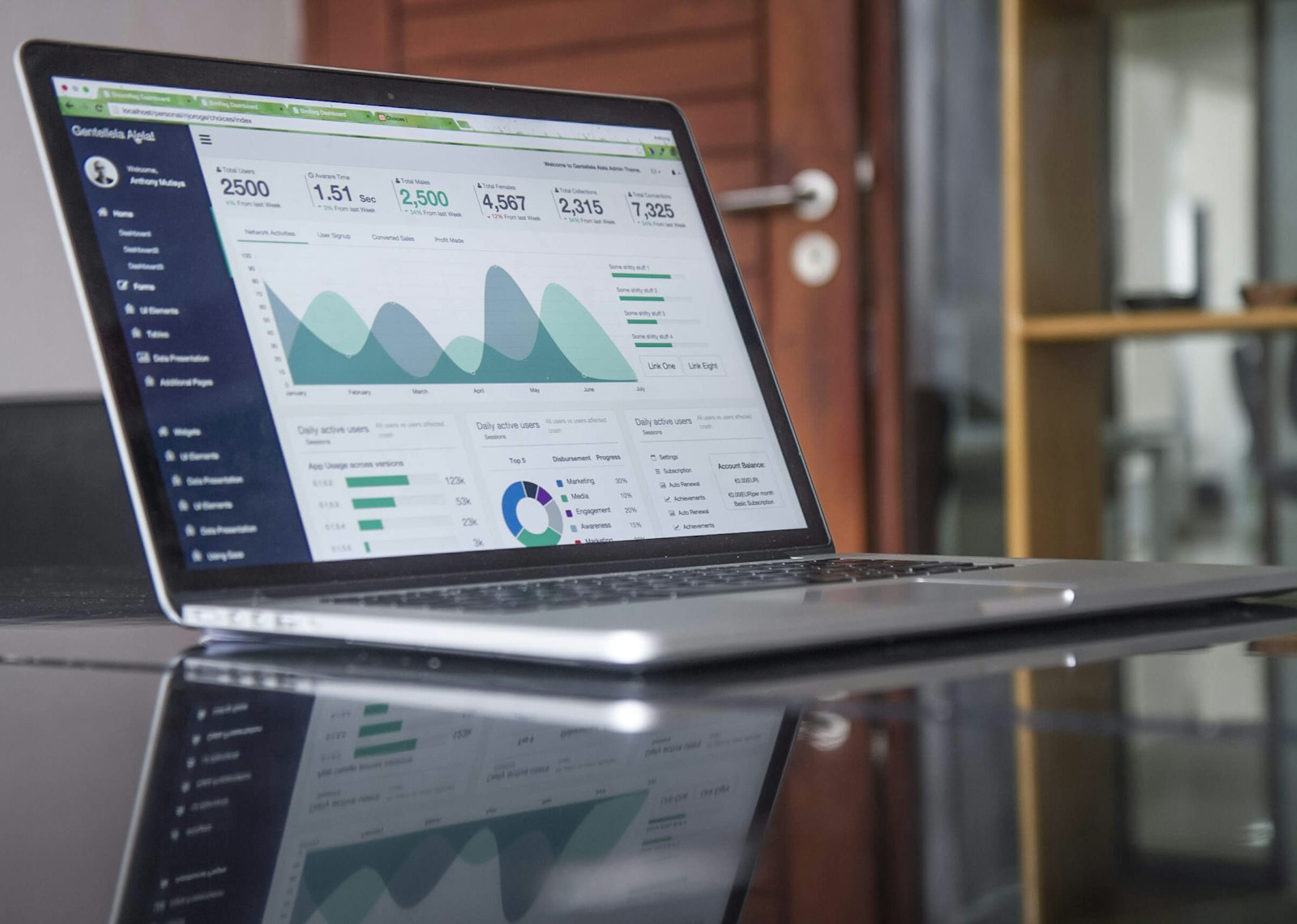
Sharjah and Ajman are full of trading houses, distributors, workshops, clinics and service firms that still run on spreadsheets, a standalone accounting package and a busy WhatsApp group. That works until stock counts stop matching the shelves, the VAT return takes a week to prepare and the owner cannot say which branch or product line is actually making money. That is usually the moment a business starts looking for ERP software in Sharjah, and the choice made then shapes how the company runs for years.
At Endorse Media, our systems team, Endorse Systems, delivers its own ERP, CRM, HR and payroll, and clinic management solutions for businesses in the UAE and Pakistan. The same platform we deliver as ERP software in Islamabad is configured for Northern Emirates companies with AED accounts, UAE VAT and teams that work in Arabic and English. This guide sets out what we would check if we were the buyer.
Why ERP software in Sharjah has become urgent
The UAE Ministry of Finance has announced a phased electronic invoicing system for business to business and business to government transactions. Businesses with annual revenue of AED 50 million or more must go live from 1 January 2027. Businesses below that threshold must appoint an Accredited Service Provider by 31 March 2027 and go live from 1 July 2027. The system follows the Peppol model, which means structured electronic invoices exchanged between systems, not PDFs sent by email.
For most SMEs in Sharjah and Ajman, July 2027 is the date that matters. A company still producing invoices from Word templates or an old desktop package will have to change how invoices are created, approved and sent. That change is far easier when sales, stock, purchasing and accounts already sit in one system with clean customer and item records.
What ERP software companies in Sharjah should show you
A slide deck tells you very little. Ask every provider for a live demo built around your own processes: a quotation turning into a sales order, a delivery note and a tax invoice; a purchase order turning into goods received and a supplier bill; a stock transfer from your warehouse to a shop or site.
Then ask who will do the work after the contract is signed. Find out who configures the system, who migrates your data, who trains your staff and who answers the phone when something goes wrong at month end. ERP software companies in Sharjah range from resellers who pass you to a remote team to firms that stay with you through the first year. You want the second kind.
ERP for trading companies in the UAE: stock that matches the shelves
Many businesses in the Northern Emirates buy and sell goods, often across more than one warehouse, shop or free zone unit. A trading ERP needs to handle multiple warehouses, batch and serial numbers where relevant, several units of measure for the same item, reorder levels and accurate valuation of stock on hand.
Landed cost is where many systems fall short. Freight, customs duty, clearing and handling charges should be added to the cost of imported goods so that your margins are real. Ask to see a container arriving with its charges spread across the items. Good inventory software in Sharjah makes that a routine entry rather than a spreadsheet exercise.
VAT accounting software in Sharjah and the move to e invoicing
UAE VAT has been in place since 2018, and any system you choose should already produce compliant tax invoices, credit notes, VAT on purchases and the figures for your VAT return without manual workarounds. It should also handle reverse charge entries where they apply, and keep a clear audit trail of who changed what.
For e invoicing, ask a direct question: how will invoices leave this system and reach an Accredited Service Provider? Ask whether the provider has tested the structured invoice format and how rejected invoices will be flagged and corrected. VAT accounting software in Sharjah that cannot answer this today is a risk for 2027.
An ERP is not a software purchase. It is a decision about how your company will record every sale, every purchase and every dirham for the next ten years.
POS system in Sharjah and Ajman: connecting the counter to the back office
Showrooms, spare parts shops, pharmacies, cafes and supermarkets need a point of sale that is fast at the counter and connected to everything behind it. When a POS system in Sharjah or a POS system in Ajman runs separately from accounts and stock, someone ends up keying sales in again at night and the numbers never quite agree.
Look for a point of sale that updates stock and accounts as each sale happens, supports several counters and branches, prints VAT compliant receipts, handles returns and exchanges properly and keeps working through a short internet drop.
Free zone, mainland and multi company setups
Many groups in the region operate more than one licence, for example a free zone company in SAIF Zone, Hamriyah Free Zone, SHAMS or Ajman Free Zone alongside a mainland trading company, and sometimes a sister company in Pakistan or another country. Each entity needs its own books, its own VAT treatment and its own documents, while the owner needs one consolidated view.
A capable ERP lets you run several companies in one system, record intercompany sales and transfers correctly and produce reports per company and for the group.
ERP software cost: what actually drives the price
There is no honest fixed price for an ERP, and you should be cautious of any quote given before the provider understands your business. The main cost drivers are the number of users, the modules you need, the number of companies and branches, the volume and quality of the data to be migrated, custom reports or workflows, integrations with banks, e commerce stores or WhatsApp, training time, hosting and ongoing support.
Ask every provider to separate one time costs from recurring costs, in AED, and to state what is included in support. A low licence figure with expensive changes later is rarely the cheaper option.
How we implement ERP for businesses in Sharjah and Ajman
We start with a discovery session to map how you sell, buy, store and account for goods today. We then give you a live demo configured to those processes, agree the scope and a fixed plan, and set up your companies, chart of accounts, VAT settings, warehouses, price lists and approval rules. Screens and printed documents can be in English and Arabic.
Next we migrate your customers, suppliers, items and opening balances, run the new system in parallel with your old records for a short period, and train each team on the tasks they actually do. After go live you get local support, not a ticket queue in another time zone. You can read more about how the platform covers ERP software in Islamabad and the UAE, including accounting, inventory, payroll and manufacturing, or see the full range on our Endorse Systems page.
Most clients also connect their sales follow up to the same platform, using the CRM we deliver as CRM software in Pakistan and the UAE, so leads from your website, calls and WhatsApp land in one place and turn into quotations without retyping. If you sell property or high value products, our article on 360 marketing for a real estate launch in the UAE shows how those leads are generated in the first place.
Frequently asked questions
How much does ERP software cost in the UAE?
It depends on the number of users, the modules and companies you need, how much data has to be migrated, any custom reports or integrations, hosting and the level of support. Ask for one time and recurring costs separately in AED, and compare the total over three to five years rather than the first invoice.
What is an example of an ERP system in a Sharjah business?
A typical example is a trading company that records quotations, sales orders, deliveries, tax invoices, purchases, stock in several warehouses, payroll and accounts in one system. The owner sees sales, stock, receivables and profit for each branch on one screen instead of in separate spreadsheets.
Do I need new software for UAE e invoicing?
If your current system cannot produce structured electronic invoices and send them through an Accredited Service Provider, you will need to upgrade or replace it. Businesses below AED 50 million in revenue must appoint a provider by 31 March 2027 and go live from 1 July 2027, so it is sensible to plan now.
Can one ERP handle a free zone company and a mainland company?
Yes. A good ERP runs several companies in one system, each with its own books, VAT settings and documents, while recording intercompany transactions correctly and giving the owner a consolidated report for the whole group.
How long does an ERP implementation take for a small trading company?
A focused rollout for a small trading company usually takes weeks rather than months, provided the data is ready and decisions are made quickly. Multi company setups, heavy customisation or large data migrations take longer, which is why the scope should be agreed in writing before work begins.
Book a free systems demo →